Minimalism had a long run. White walls, sleepy palettes, sparse styling. But interiors are shifting again, and this time the movement feels warmer, more expressive, and far less rigid. Welcome to the new maximalism.
Not the chaotic maximalism of the early 2000s. Not rooms overflowing with color for the sake of excess. Today’s version is softer and more personal. Pattern-on-pattern. Story-rich spaces. Vintage influences. Handcrafted details. Rooms that feel layered with real-life experiences, rather than perfectly staged.
At Artscape, we’ve watched customers lean into this evolution through wallpaper and window film. Instead of choosing between boldness and calm, people are discovering how layered interiors can still feel grounding, light-filled, and super livable.
Pictured below: Cleo Mural Wallpaper in Onyx and Empire Window Film

What Is “Soft Maximalism”?
Soft maximalism conveys emotion and atmosphere rather than perfection. It embraces personality without tipping too far into visual overwhelm.
For instance:
- Juicy florals paired with subtle plaids
- Storybook wallpapers beside simple wood furniture
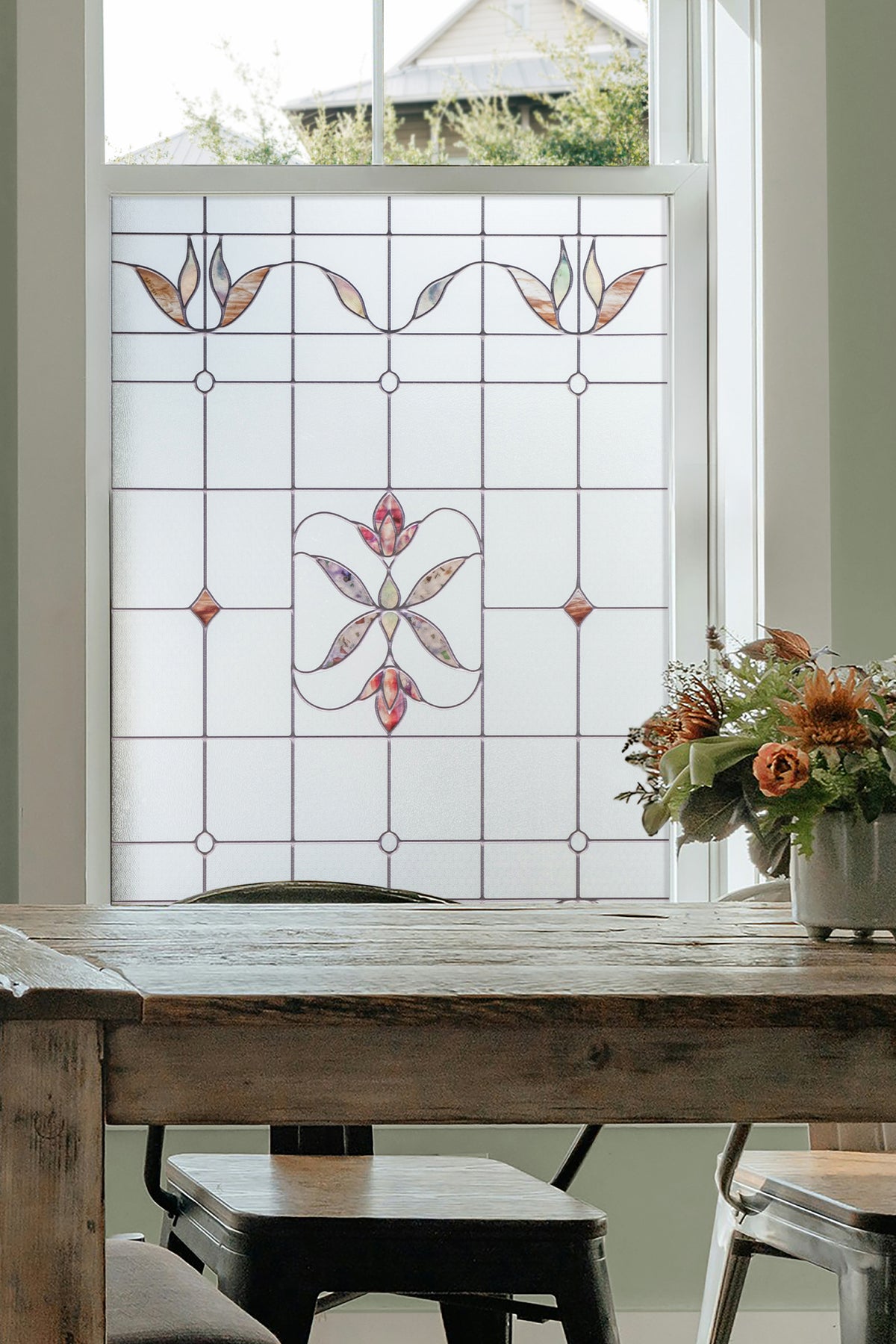
- Layered stained-glass-inspired window film filtering colored light into a room
- Vintage motifs mixed with modern silhouettes
- Texture, pattern, and warmth balanced by intentional restraint
This concept is collected rather than cluttered. Designers are increasingly moving away from stark minimal interiors in favor of spaces that feel comforting, expressive, and human. Rather than stripping rooms down, homeowners are adding layers that tell a story about how they live and what they love.
Pictured Below: Fable wallpaper in Happy and Regent leaded glass-style window film

Wallpaper Is Leading the Shift
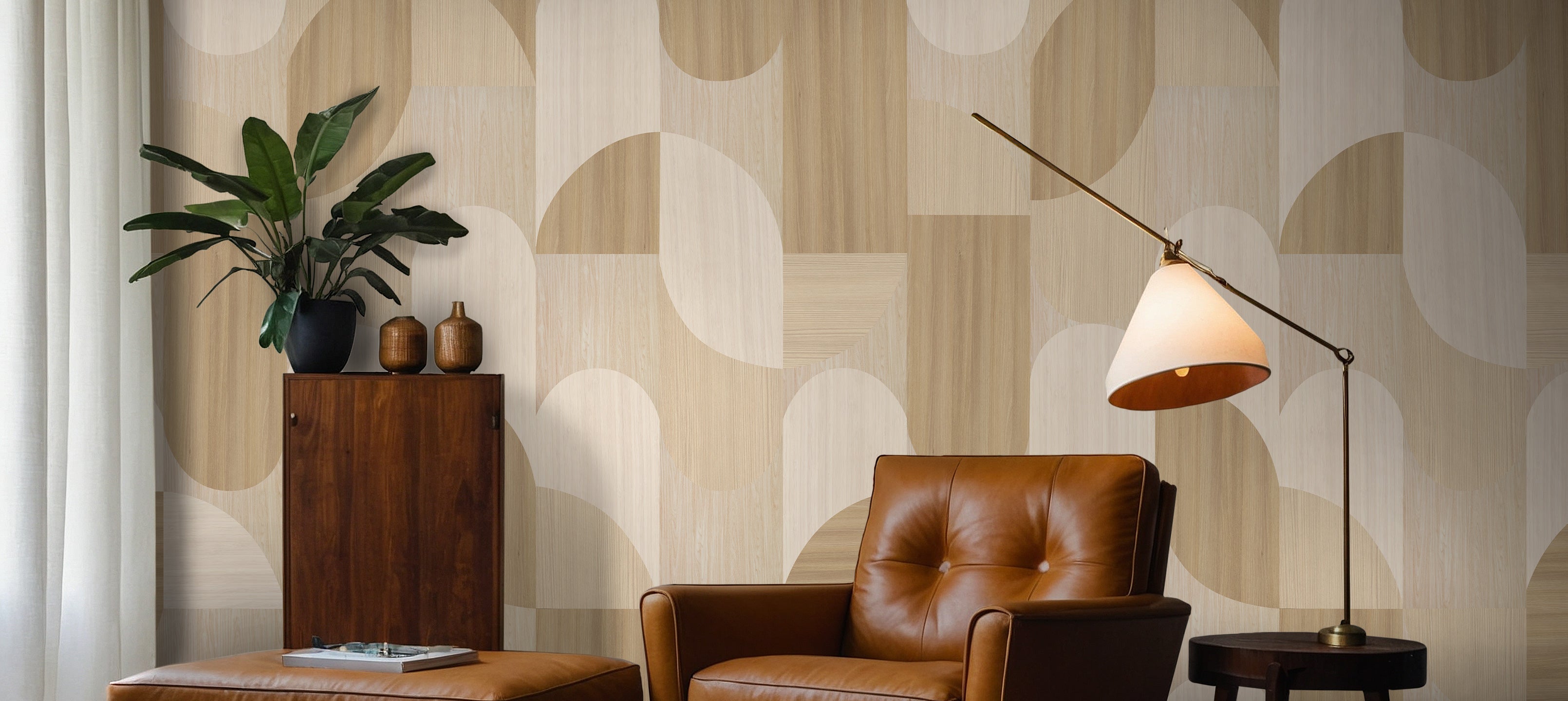
Wallpaper has become one of the easiest ways to introduce softness and personality into a space. Story-rich prints, historical references, woodland motifs, painterly botanicals, and hand-drawn patterns all align naturally with the maximalist movement. Rather than acting as a background element, wallpaper becomes part of the room’s emotional texture.
Designs like:
- antique-inspired florals
- illustrated forest scenes
- woven-look plaids
- soft stripes
- layered botanical repeats
create rooms that feel immersive without feeling heavy.
One of the reasons maximalist wallpaper works so well right now is that people are no longer treating every room the same. Powder rooms can feel playful. Dining rooms can feel theatrical. Nurseries can feel whimsical. Reading nooks can feel transportive. There’s more freedom to let rooms have their own identities.
Pictured below: Cottontail mural wallpaper

Window Film Adds Light, Color, and Dimension
Window film fits surprisingly naturally into this movement. Traditionally, maximalist interiors relied heavily on textiles, wallpaper, books, art, and collected objects. But stained-glass-inspired window film introduces something different: shifting light.
As sunlight moves throughout the day, textured and leaded-style films scatter color, sparkle, and softness across walls and floors. The room itself changes mood depending on the hour. It’s maximalism through atmosphere rather than clutter.
Films inspired by antique leaded glass, prairie-style geometry, florals, or layered textures allow homeowners to bring pattern into a space while still maintaining openness and natural light. Privacy also plays a role here. Rather than covering windows with heavy curtains, decorative window film lets spaces feel layered while remaining bright and airy.
Picture below: Larkspur stained glass inspired window film

Layering Without Overwhelming
One misconception about maximalism is that everything must compete for attention. The most compelling layered interiors actually rely on rhythm and balance:
- one large statement element
- softer supporting textures
- repeated tones throughout the room
- moments of visual rest
Wallpaper and window film work especially well together because they occupy different visual planes. Wallpaper grounds the room. Window film interacts with light.
For example:
- A woodland wallpaper paired with a softly textured privacy film
- A plaid or stripe wallpaper alongside geometric leaded glass film
- Painterly florals mixed with delicate frosted textures
- Storybook-inspired walls with colored stained-glass accents
The combination feels dimensional rather than busy.
Pictured below: Orléans Forest in Malva and Old English leaded-glass-style window film.

The Return of Craft and Character
Part of the appeal of maximalism is the rejection of spaces that feel mass-produced or impersonal. People want interiors with evidence of the human hand:
- visible brushwork
- historic references
- handcrafted pattern
- layered textures
- imperfections
- artistry
This is one reason antique-inspired wallpapers and stained-glass aesthetics are resonating again. They bring warmth and history into contemporary homes without feeling overly traditional. There’s comfort in detail. Comfort in ornament. Comfort in rooms that feel expressive rather than optimized.
Pictured below: Grove wallpaper in Terracotta and Rice Paper Window film

Designing Rooms That Feel Alive
The new maximalism isn’t really about “more.” It’s about creating interiors that feel alive with memory, texture, light, color, and curiosity. Wallpaper can transform walls into an atmosphere. Window film can transform sunlight into part of the design itself. Together, they create spaces that shift throughout the day, hold visual depth, and invite people to linger a little longer.
Explore Artscape’s collection of wallpapers and decorative window films to layer pattern, privacy, texture, and light into spaces that feel unique to you.